https://ewa.org/watch-and-list...EWA Radio is the official podcast of the Education Writers Association, featuring journalists sharing the backstory to their reporting. New episodes are published each week. 

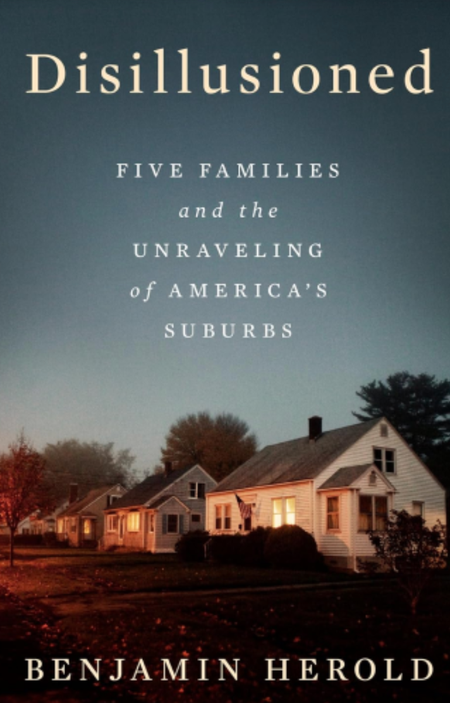
‘Disillusioned:’ Ben Herold on Race, Privilege, Suburban Schools

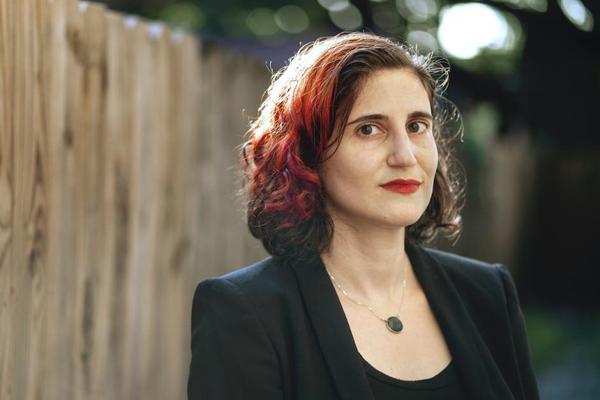
Suburbs have long been a touchstone of the proverbial American dream, promising happy lives and top-notch schools to their fortunate inhabitants. But what happens when white and affluent families move on, leaving behind massive municipal debt, poorly planned infrastructure, and school systems ill-equipped to meet the needs of newer residents – many of whom are often less wealthy, Black, and Hispanic? Longtime education journalist Benjamin Herold, author of “Disillusioned: Five Families and the
How COVID Fueled Absenteeism and School Voucher Expansion

For a reporter who is not officially on the education beat, Alec MacGillis of ProPublica finds plenty to keep him busy, going deep into stories about how the COVID-19 pandemic continues to be felt in all aspects of lives of students and their school communities. He joins EWA Radio to discuss his two newest pieces: a close look at a private company providing outreach services tracking down absent students in the hard-hit school systems of Detroit’s outer suburbs, and how private and parochial sc

Pursuing College as a Rural Black Student

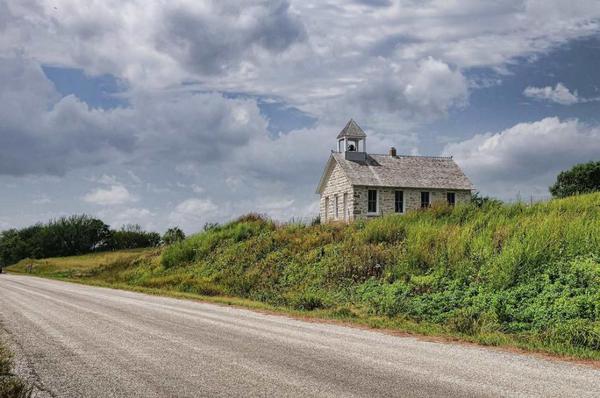
What keeps rural Black students from pursuing college or thriving when they get there? J. Brian Charles of The Chronicle of Higher Education went to Sussex County, Virginia to get a closer look at what post-high school opportunity looks like in the swampy countryside, where “peanuts, pork, and pine” are the major exports – not young people headed for higher education. He talks with EWA Public Editor Emily Richmond about the overlooked stories on rural schools, an innovative program providing vo

What Happened to $190 Billion in School COVID-19 Funds?

Congress allocated nearly $200 billion to help schools mitigate the impact of the COVID-19 pandemic, and they have until 2024 to spend all the funds. But a new investigation by ProPublica found that there’s been minimal tracking by education officials as to how districts have so far allocated the funding. Reporter Annie Waldman and Reporting Fellow Bianca Fortis dug into the data from 16,000 provisional reports from state agencies.

New Year, New Higher Ed Stories

This will be a momentous year for higher education – as colleges attempt to recover from COVID shutdowns, student loan bills come due again, and big changes come to admissions offices. What will college look like this year? How are institutions planning to spend billions of dollars in federal COVID-19 relief funds? And how bad a hit are overall enrollment numbers going to take in the third year of the pandemic? Delece Smith-Barrow, education editor for Politico, shares some of the top priorities

$100K in Debt for a $50K Job

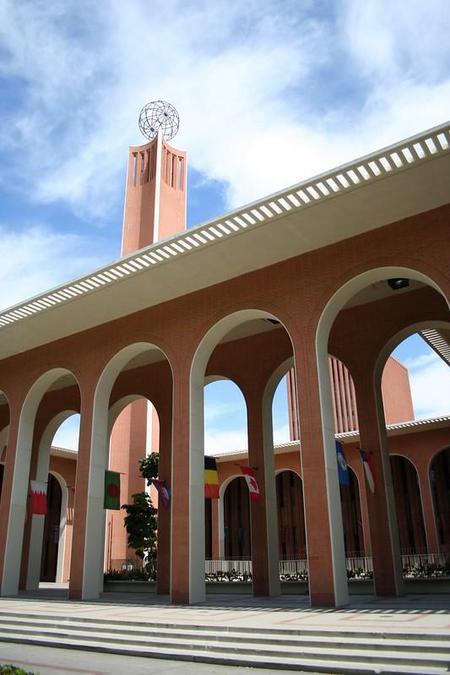
The Wall Street Journal’s investigations team is tackling the student loan debt crisis from multiple angles, including digging into questionable recruiting and loan practices by top schools. Case in point: the University of Southern California’s online graduate program in social work. It charged $115,000 for a master’s last year. The school offered very little grant aid, so the many students who couldn’t afford that high tuition were encouraged to borrow.

School Librarian Stories Are Overdue

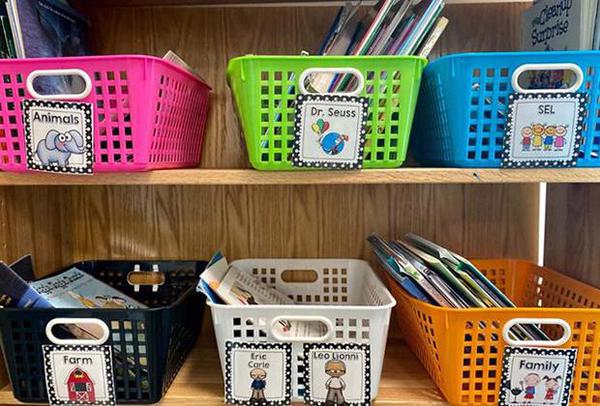
In districts from Boston to Seattle, school librarians are wearing multiple hats these days, from helping teachers with the tech side of remote learning to working with high-need students who lost academic ground during the pandemic shutdown. Librarians are also fending off budget cuts that threaten their positions, and responding to a surge in demands that reading materials about topics like race, racism, and gender identity be removed from the shelves.

When School Board Meetings Become Battlegrounds

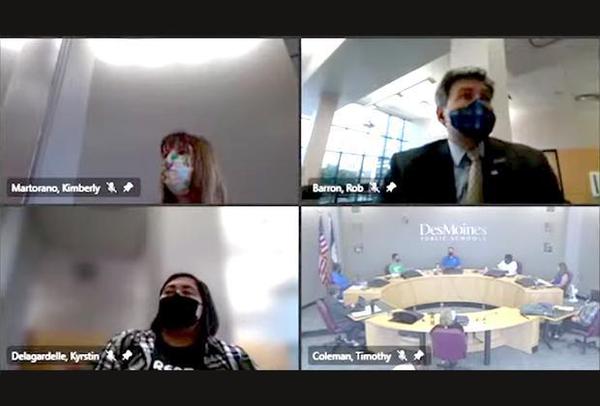
Across the nation, school boards find themselves on the front lines for debates over COVID-19 mask mandates and teaching about racism. Heated exchanges during public comment periods have expanded to public protests, threats of violence, and a surge in conservative slates of candidates running for school board seats. In Iowa, Des Moines Register reporters Samantha Hernandez and Melody Mercado are closely covering all angles of the story.

The Real Story Behind Teacher Shortages

Across the country, school districts are grappling with staffing shortages that are making it tough to recover from the disruptions of the COVD-19 pandemic. Matt Barnum, a national reporter at Chalkbeat, shares insights on the current landscape for school staffing, and debunks some of the often-repeated – but unsubstantiated – assumptions about what might be driving what appears to be a growing crisis.

How Kids Think

How do adolescents learn to make healthy choices? When does the desire for status and respect most influence the teenage brain? The answers are evolving as neuroscientists learn more about what drives human behavior. Lydia Denworth, a contributing editor to Scientific American and an EWA Reporting Fellow, explains why some researchers advocate for viewing adolescence not as a “dark and stormy” time but as a window of opportunity for young people to develop habits and behaviors that will serve th

No School, No Work, No Chance

The only federal program intended to help disconnected young adults find meaningful job training has turned into a $1.7 billion boondoggle. That’s the big takeaway from a new investigation by Anne S. Kim of Washington Monthly. The Job Corps’ residential model has remained largely unchanged since its inception in the 1960s. Kim argues that the program is now ill-equipped to meet the needs of the population it is intended to serve: young people ages 16-24 who are already facing challenges includin

Let’s Talk About Teachers’ Unions

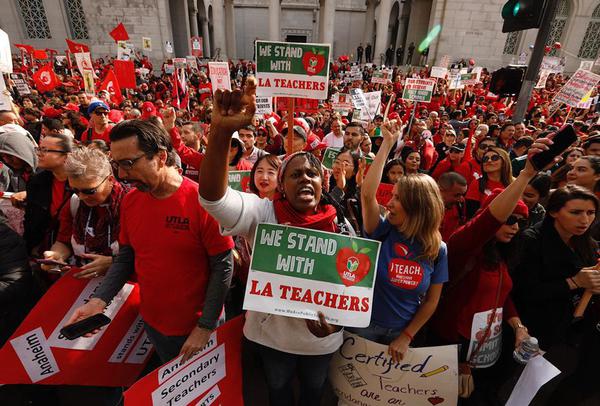
The growing clout of teachers’ unions is becoming one of the nation’s most attention-getting education stories. Before the pandemic, successful “Red for Ed” unionized teacher strikes and demonstrations won long overdue funding increases for schools and pay raises for instructional staff. And since COVID-19, teachers unions have become key players in decisions such as when and how schools will reopen. Howard Blume of The Los Angeles Times has covered teachers unions for two decades, and watched
Load More Articles