
Emily Richmond

Public Editor of the Education Writers Association; Freelance Journalist; 2023 Spencer Education Fellow; 2011 Knight-Wallace Fellow. Writing about school desegregation on U.S. military installations in the early civil rights era for the University of North Carolina Press. 

The Hechinger Report - Recent Stories

Little-noticed victims of the higher education shutdowns: college towns

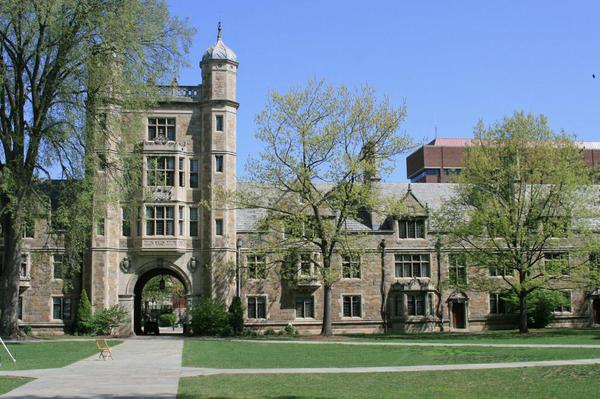
ANN ARBOR, Mich. — Unencumbered by groups of jubilant students snapping selfies in their caps and gowns, absent the usual bumper-to-bumper caravans of out-of-town vehicles and free of swarming crowds in maize and blue, a pedestrian could do what would otherwise have been unthinkable on a University of Michigan graduation day: walk the length of Main Street downtown without breaking stride. Fifty thousand visitors usually flock to Ann Arbor for the spring commencement ceremonies. Instead, this M

A vocational school curriculum that includes genocide studies and British literature

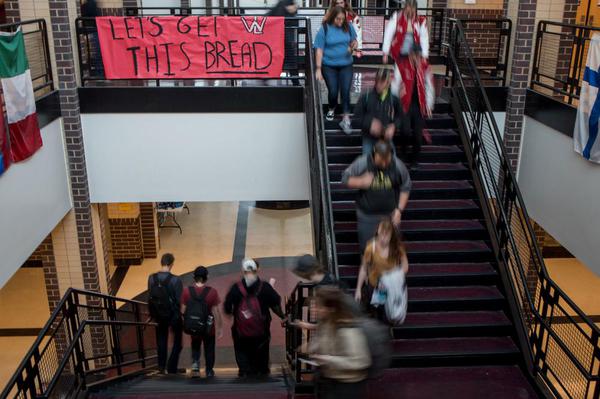
HATHORNE, Mass. — In a darkened classroom in Essex Technical High School, Anna Maria Miller takes careful notes while watching a subtitled video sampling from Rwanda’s infamous “hate radio,” which helped fuel the genocide of the minority Tutsi population in 1994. Today’s assignment for these high school seniors: Compare and contrast the propaganda methods used by that country’s Hutu majority and by Germany’s Nazi regime in the ’30s and ’40s.

NCLB’s legacy: As the ESSA era begins, have policymakers, educators learned from the past?

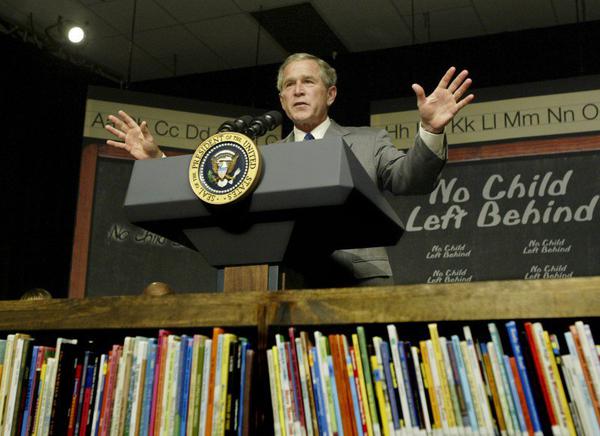
Fifteen years ago, Brenda Cassellius was an assistant principal at a Minneapolis high school when a local reporter asked her about the No Child Left Behind Act (NCLB), the brand-new congressional overhaul of federal education policy. “This is just the medicine we need,” Cassellius recalls telling the reporter. “Every kid will be counted, and we’ll focus on equity.” But hindsight is a very different vantage point for Cassellius, who is now Minnesota’s commissioner of education. “It turned out

When students lead parent-teacher conferences

This is the fourth story in a series that The Hechinger Report is publishing in partnership with The Atlantic about efforts to reform the high school experience at one of New Hampshire’s lowest-performing campuses. PITTSFIELD, N.H. — Pushing up the cuffs of his plaid shirt and adjusting his glasses, ninth-grader Colton Gaudette looks across the small classroom conference table at the day’s special guest. “Welcome to my student-led conference,” he says. “Thank you for inviting me,” answers his

How the Department of Defense schools are teaching their version of Common Core math

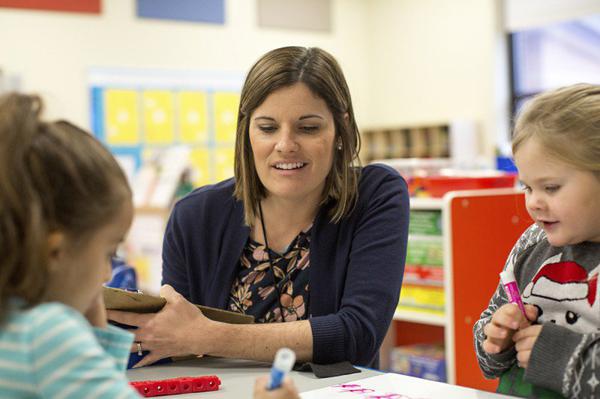
FORT BRAGG, N.C. – Standing in front of a smartboard, 5-year-old Kaleb Eckerfield touches an icon of a storm cloud with raindrops. He drags it with his finger to the empty space under the day’s date, creating an instant weather report. “What do we know about how many sunny and rainy days we’ve had this month?” asks Andrea Todd, the teacher of Kaleb’s kindergarten class at Hampton Primary School, one of the nine schools located on the Fort Bragg Army Post in North Carolina. “They’re equal,” Kal

Schools on U.S. military installations raising standards, tracking students beyond high school

QUANTICO, Va. — Stephen Call, who graduated this month from Quantico Middle/High School on the U.S. Marine Corps base in Virginia, had a decision to make last December. His mother, a master sergeant specializing in communications, received orders to move to Miramar, California. If he went with her, Call would have to change schools for the sixth time in 12 years. Quantico’s small campus, which is part of the Department of Defense Education Activity (DoDEA) school system, offered Call a wealth o

The Atlantic - Contributor

Shop Class, Over Zoom

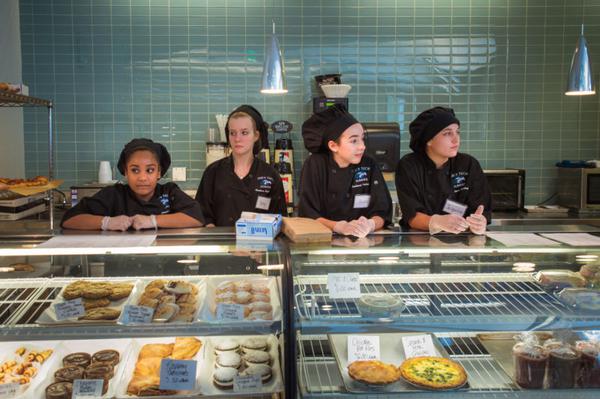
At the sprawling campus in Danvers, 20 or so miles north of Boston, Essex Tech students operate large-scale manufacturing equipment, care for the school’s horses and other livestock, raise endangered turtles and brook trout for eventual release into the wild, and conduct experiments in a biotechnology lab. They also help build houses for the needy, work in the school’s public café and bakery, and earn training hours to meet state licensing requirements for fields such as cosmetology and construc

Does Trump’s Education Budget Even Matter?

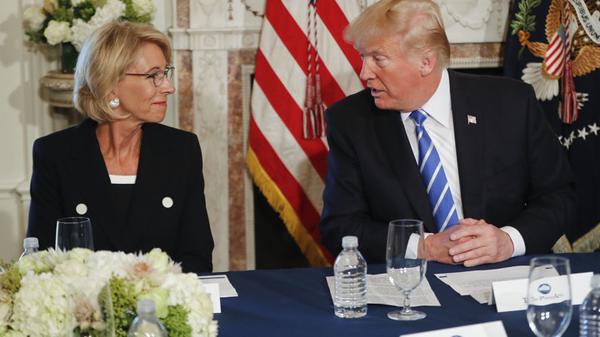
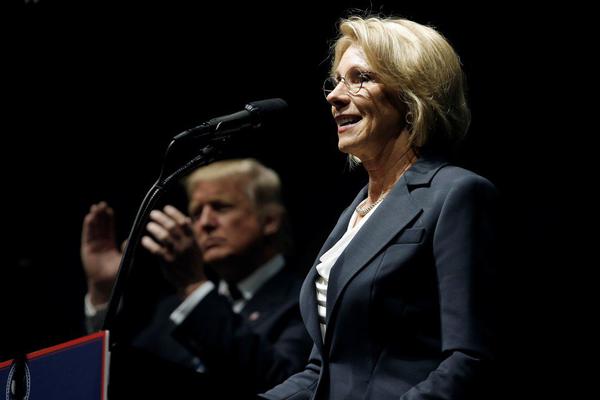
President Trump’s proposed federal budget, unveiled Monday, calls for major cuts to existing education programs and a huge increase for school-choice initiatives. The first question stemming from his blueprint is this: How seriously will Congress take his administration’s plan, even with Republicans controlling both chambers? If history is any indicator, the answer could well be “not very,” as presidential budgets and what Congress ultimately approves can be farther apart than Norway and Tonga

What Restorative Justice in Schools Actually Looks Like

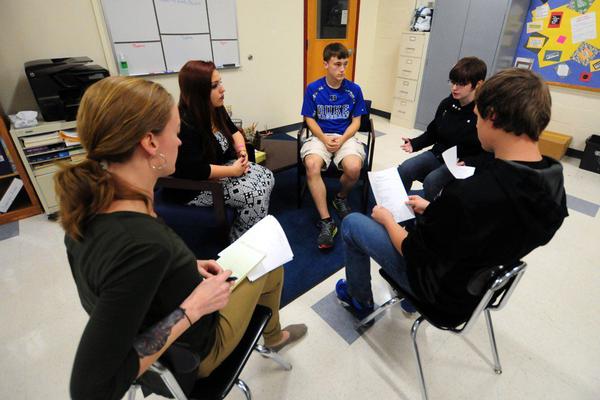
PITTSFIELD, N.H.—When the freshman Hope Parent left her cellphone unattended at Pittsfield Middle High School, last year, her classmate Brandon Bojarsky saw his chance for a little fun. Grabbing the device off a windowsill in their Spanish class, he quickly shot off a few obnoxious text messages to people in her contact list—including one to Hope’s mother. By the time Hope figured out what Brandon had done, her phone battery had died. She couldn’t immediately follow up with people to tell them t

Why Back-to-School Season Feels Like the New Year—Even for Adults

I was sorting through my books recently, as my husband and I finally—after four years of marriage—have new shelves that would accommodate most of our combined libraries. Did we really need two copies of The Great Gatsby? Probably not, I decided, as I flipped through a well-worn edition from those long-ago high-school days. Perhaps because I was already thinking about the coming new season, it only took me a moment to find the passage: “Life starts all over again when it gets crisp in the fall,”

What Does the Public Want From Schools?

When it comes to judging a school’s quality, what matters most? A new poll suggests the American public puts a premium on offerings outside of traditional academics, including career-focused education, developing students’ interpersonal skills, and providing after-school programs and mental-health care. At the same time, even as local schools were generally viewed favorably in the national survey, parents said they would consider taking advantage of vouchers for private or religious schools if t

Why School Still Starts After Labor Day in Michigan

For Tracy Horodyski, a teacher in the Kenowa Hills school district in Michigan, a new district schedule has her returning to the classroom on Monday, August 28—her first pre-Labor Day start in more than a decade. But rather than wishing for a longer vacation, the change comes as something of a relief. After more than two months away, Horodyski, an elementary reading and literacy specialist and Michigan’s 2016-17 Teacher of the Year, said she’s eager to get back to school. The students she’s talk

How Canadian Schools Are Adjusting to the Trump Presidency

Standing at the front of her classroom this past February, the public high-school English teacher Jana Rohrer wrote the words “American Flag” on the board and asked her ninth-grade students to tell her what came to their minds. Over the past six years Rohrer has used the exercise as part of a lesson to help explain symbolism in Harper Lee’s classic To Kill a Mockingbird. And over the past six years, the students’ answers had become routine: Freedom. Independence. Patriotism. This time, there wer

Student Drama Is Rampant—Can This Rural School Stop It?

By the time these words got back to 14-year-old Tori, the Snapchat image they went with—of her from behind as she took notes in biology class—had long disappeared. But a screenshot lingered, got passed around, and soon kids were saying, “Hey, cereal box,” as they passed Tori in the hallway. More From The Hechinger Report Can Summit put personalized learning over the top? Who should be in charge of licensing Mississippi’s teachers? A top education reformer explains why we need to give Betsy DeVos

Four Ways the Trump Administration Could Gut Obama's Education Legacy

It’s shaping up to be a contentious year on the education beat, fueled in part by Donald Trump’s upset victory in the presidential election. For starters, in the weeks and months since his election, his campaign call for expanding school choice has sparked widespread discussion and debate. And while federal policy is often a slow-moving train, it wouldn’t be difficult for the president-elect and the GOP-led Congress to change tracks on many key initiatives enacted by the Obama administration, af

Explaining 9/11 to the Youngest Learners

In 2007, while writing about military recruiting at high schools, I met a fresh-faced JROTC cadet who planned to enlist after graduation. His older brother was already serving in Afghanistan as part of the U.S. response to the terrorist attacks on September 11. The student, who was a seventh-grader when the hijacked airplanes struck, eventually joined the Army and followed his brother to war. Now we are at the 15-year anniversary of the 9/11 attacks, and the connective tissue is even fainter for

The Third-Graders Who Feel Attacked by Donald Trump

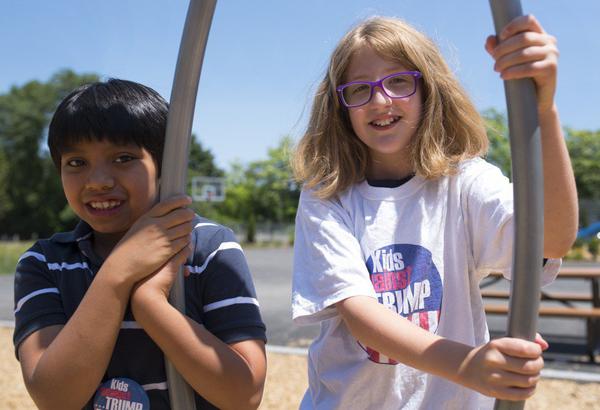
Although he’s almost a decade shy of the voting age, Micah St. George has a message he’s anxious to deliver to the Republican National Committee: Please don’t nominate Donald Trump for president. A soon-to-be fourth grader in Newton, Massachusetts, Micah is the co-founder of Kids Against Trump, a group that started with a paper petition passed around the playground at Angier Elementary, a K-6 school in a bucolic suburb just west of Boston.

Why Does the School Day Start So Early?

For the first time, the federal Centers for Disease Control and Prevention is urging education policymakers to start middle- and high-school classes later in the morning. The idea is to improve the odds of adolescents getting sufficient sleep so they can thrive both physically and academically. The CDC’s recommendations come a year after the American Academy of Pediatrics urged schools to adjust start times so more kids would get the recommended 8.5 to 9.5 hours of nightly rest. Both the CDC and